


The Best Laptop for 3D Modeling 2026: What's Changed and What to Look For
January 19, 2026
The year 2026 crept up unexpectedly, and hardware requirements have grown again. Now even an average archviz scene with 8K textures, PBR materials, and ray tracing easily consumes 12-14 GB of video memory, and if you add simulations or path-traced rendering – hello, 16-24 GB of VRAM becoming the new normal. What was considered top-tier in 2024 is barely handling the viewport today without stutters.
Prices, of course, haven’t stayed still, but now there are more options with proper cooling and displays that don’t distort colors. The choice has become both easier and harder: on one hand, it’s clear the minimum is RTX 5060/5070 and 32 GB of RAM; on the other, the difference between “works” and “flies” sometimes comes down to an extra 30-40 thousand UAH. Next, we’ll break down which laptops can actually handle modern 3D without compromises and where you can find a reasonable balance between budget and performance.
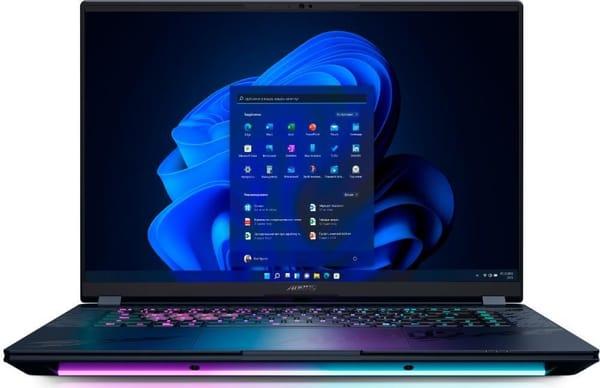
1. GIGABYTE AORUS MASTER 16
The laptop GIGABYTE AORUS MASTER 16 is equipped with an Intel Core Ultra 9 275HX processor with 24 cores and 24 threads, where the performance cores reach a base frequency of 2.7 GHz and a maximum of 5.4 GHz. The NVIDIA GeForce RTX 5080 graphics card with 16 GB of GDDR7 memory supports TDP up to 175 W, allowing it to handle tasks that require high graphics performance. The 16-inch OLED display has a resolution of 2560x1600 and a refresh rate of 240 Hz, with 500 nits of brightness and 100% DCI-P3 coverage. The plastic chassis weighs 2.5 kg, measures 357 x 254 x 23-29.9 mm, and the 99 Wh Li-Pol battery provides moderate battery life under light workloads.
It has 32 GB of DDR5 memory at 5600 MHz, expandable to 64 GB, and a 2 TB SSD. Connectivity includes Thunderbolt 5, USB 4, HDMI 2.1, and Wi-Fi 7. A backlit keyboard, FHD IR webcam, and NVIDIA G-Sync support make it suitable for long work sessions. Windows 11 Home comes preinstalled, and a 330 W power adapter feeds the system.
Key Specifications:
Processor: Intel Core Ultra 9 275HX, 24 cores (8P + 16E), TDP 55 W
Graphics: NVIDIA GeForce RTX 5080, 16 GB GDDR7
Memory: 32 GB DDR5 (5600 MHz), max 64 GB
Display: 16" OLED, 2560x1600, 240 Hz, 100% DCI-P3
Storage: 2 TB SSD NVMe
Ports: Thunderbolt 5, 2x USB 3.2 Gen 2 Type-A, HDMI 2.1
Battery: 99 Wh Li-Pol
Weight: 2.5 kg
Who it’s for:
Users working with complex 3D scenes requiring accurate color rendering
Developers combining modeling with real-time rendering
Freelancers who need portability without sacrificing performance
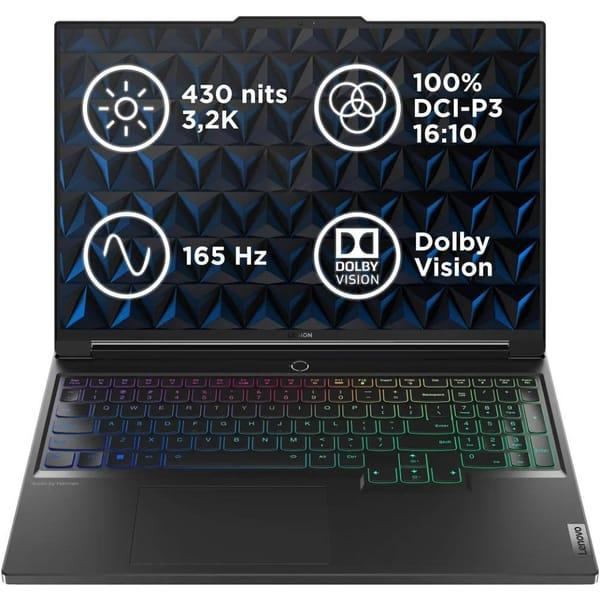
2. Lenovo Legion 7 16IRX9
The model Lenovo Legion 7 16IRX9 is built on the Intel Core i7-14700HX processor with 20 cores (8P + 12E) and 28 threads, a base frequency of 2.1 GHz, and turbo up to 5.5 GHz. The NVIDIA GeForce RTX 4060 graphics card with 8 GB GDDR6 and 130 W TDP is suitable for mid-level visual workloads. The 16-inch IPS display features a 3200x2000 resolution at 165 Hz, 430 nits brightness, and 100% DCI-P3 coverage. The black aluminum chassis weighs 2.24 kg, with thickness ranging from 17 to 19.7 mm, and a 99.9 Wh Li-Pol battery.
The configuration includes 16 GB DDR5 at 5600 MHz (expandable to 32 GB) and a 1 TB SSD. It has a backlit keyboard with a numeric pad, a fingerprint scanner, and an FHD webcam with E-shutter. Ports: Thunderbolt 4, USB Type-C with DisplayPort, HDMI 2.1, Ethernet. The system runs DOS with the option to install Windows; the power adapter is 230 W.
Key Specifications:
Processor: Intel Core i7-14700HX, 20 cores, TDP 55 W
Graphics: NVIDIA GeForce RTX 4060, 8 GB GDDR6
Memory: 16 GB DDR5 (5600 MHz), max 32 GB
Display: 16" IPS, 3200x2000, 165 Hz, 100% DCI-P3
Storage: 1 TB SSD
Ports: Thunderbolt 4, USB Type-C (PD, DP), HDMI 2.1
Battery: 99.9 Wh Li-Pol
Weight: 2.24 kg
Who it’s for:
Students or beginner modelers looking for a balance between price and a high-res display
Teams using the laptop for collaborative graphic work
Users who prefer a lightweight aluminum body for travel
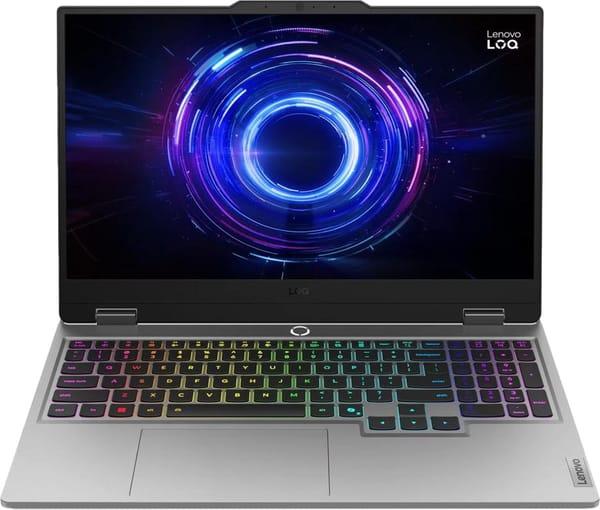
3. Lenovo LOQ 15IRX10 Luna Grey
Lenovo LOQ 15IRX10 is equipped with an Intel Core i7-13650HX processor with 14 cores (6P + 8E) and 20 threads, a base frequency of 2.6 GHz and up to 4.9 GHz. The NVIDIA GeForce RTX 5060 graphics card with 8 GB GDDR7 and 115 W TDP handles graphic workloads. The 15.6-inch IPS display has a resolution of 1920x1080, 144 Hz refresh rate, 300 nits brightness, and 100% sRGB. The gray plastic chassis weighs 2.4 kg, measures 359.86 x 258.7 x 21.9-23.9 mm, and includes a 60 Wh Li-Pol battery.
It comes with 32 GB DDR5 4800 MHz RAM (32 GB max), and a 1 TB SSD M.2 2242/2280. The keyboard has RGB backlighting and a numeric pad, and the webcam is standard. It supports G-Sync, USB Type-C ports with DP and PD, HDMI 2.1, and Ethernet. The OS is Windows 11 Home, the power adapter is 245 W, and there is an NPU LA1 AI module.
Key Specifications:
Processor: Intel Core i7-13650HX, 14 cores, 55 W TDP
Graphics: NVIDIA GeForce RTX 5060, 8 GB GDDR7
Memory: 32 GB DDR5 (4800 MHz)
Display: 15.6" IPS, 1920x1080, 144 Hz, 100% sRGB
Storage: 1 TB SSD
Ports: USB Type-C (DP, PD), 3x USB 3.2 Gen 1, HDMI 2.1
Battery: 60 Wh Li-Pol
Weight: 2.4 kg
Who it's for:
Budget users focused on basic 3D modeling
Gamers transitioning to 3D tasks with moderate requirements
Those who appreciate RGB lighting and Ethernet for stable connectivity
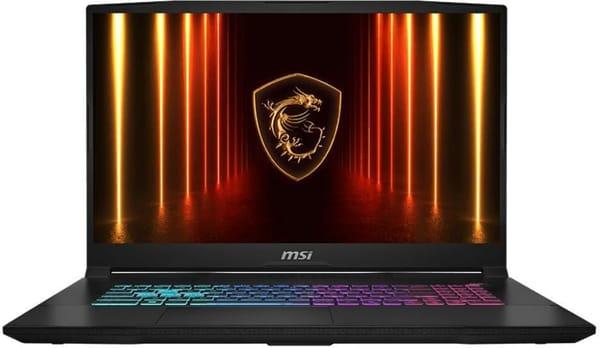
4. MSI Katana 17 HX B14WGK-026CZ Black
MSI Katana 17 HX uses the Intel Core i7-14650HX with 16 cores (8P + 8E) and 24 threads, with frequencies from 2.2 to 5.2 GHz. The NVIDIA GeForce RTX 5070 with 8 GB GDDR7 and 115 W TDP handles graphics. The 17.3-inch IPS-level display features Full HD 1920x1080 resolution, 144 Hz refresh rate, and 300 nits brightness. The black plastic chassis weighs 2.7 kg and measures 398 x 275.6 x 27.8 mm; the battery is a 75 Wh Li-Pol unit.
It includes 16 GB DDR5 5600 MHz RAM (expandable to 96 GB) and a 1 TB SSD. The keyboard has 4-zone RGB backlighting and a numpad; the webcam is basic. Ports include USB Type-C with DP, 3x USB 3.2 Gen 2, HDMI, and Ethernet. Windows 11 Home is installed, the power adapter is 240 W, and the laptop includes an NPU AI Engine.
Key Specifications:
Processor: Intel Core i7-14650HX, 16 cores, TDP not specified
Graphics: NVIDIA GeForce RTX 5070, 8 GB GDDR7
Memory: 16 GB DDR5 (5600 MHz), max 96 GB
Display: 17.3" IPS-level, 1920x1080, 144 Hz
Storage: 1 TB SSD
Ports: USB Type-C (DP), 3x USB 3.2 Gen 2, HDMI
Battery: 75 Wh Li-Pol
Weight: 2.7 kg
Who it's for:
Users who need a large screen for detailed model inspection
Those planning RAM upgrades for growing projects
Enthusiasts interested in customizable RGB keyboards
5. ASUS ROG Strix G16 G615LW Eclipse Gray
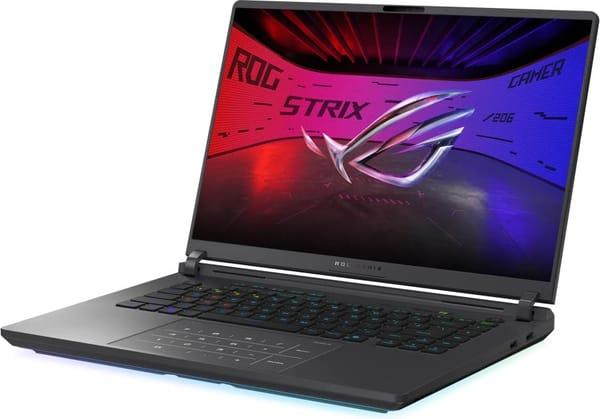
ASUS ROG Strix G16 is built on the Intel Core Ultra 9 275HX with 24 cores (8P + 16E) and frequencies from 2.7 to 5.4 GHz. The NVIDIA GeForce RTX 5080 with 16 GB GDDR7 handles graphics. The 16-inch IPS-level display has a resolution of 2560x1600, 240 Hz refresh rate, 500 nits brightness, 100% DCI-P3, Pantone validation, and HDR support. The gray plastic chassis weighs 2.73 kg, measures 22.8-30.8 mm thick, and includes a 90 Wh Li-Ion battery.
It comes with 64 GB DDR5 5600 MHz RAM (up to 64 GB), a 2 TB M.2 2280 SSD, a backlit keyboard, and a 1080p FHD IR webcam for Windows Hello. Ports include Thunderbolt 5, 3x USB 3.2 Gen 2, HDMI 2.1, and 2.5G Ethernet. Windows 11 Home is installed, the power adapter is 280 W, and features include the Intel AI Boost NPU and Wi-Fi 7.
Key Specifications:
Processor: Intel Core Ultra 9 275HX, 24 cores, 55 W TDP
Graphics: NVIDIA GeForce RTX 5080, 16 GB GDDR7
Memory: 64 GB DDR5 (5600 MHz)
Display: 16" IPS-level, 2560x1600, 240 Hz, 100% DCI-P3
Storage: 2 TB SSD
Ports: Thunderbolt 5, USB 4, HDMI 2.1
Battery: 90 Wh Li-Ion
Weight: 2.73 kg
Who it's for:
Professionals who need a large amount of RAM for multitasking
Modelers working with HDR and high-accuracy color workflows
Users who prefer fast networking and biometric login
6. ASUS ROG Zephyrus G16
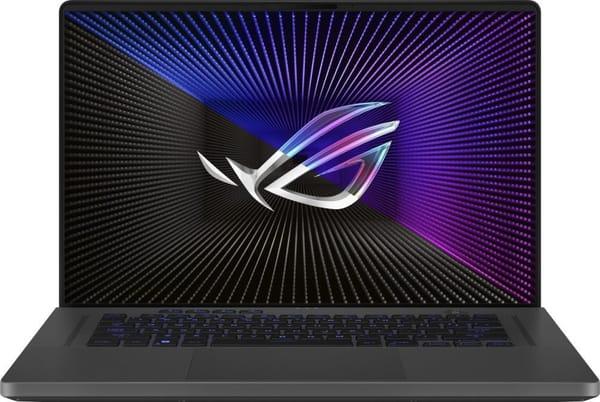
The ASUS ROG Zephyrus G16 laptop is built on the Intel Core i7-13620H processor - 10 cores, with 6 performance cores and 4 efficiency cores, with frequencies boosting up to 4.9 GHz. The RTX 4070 with 8 GB GDDR6 works together with a multiplexer, allowing you to switch between integrated and discrete graphics. The 16-inch IPS-level display with 2560×1600 resolution and a 240 Hz refresh rate covers the full DCI-P3, although the listed specs show 165 Hz - apparently this batch uses a simpler panel. The chassis combines plastic and aluminum, weighs exactly 2 kg, and has a thickness of 22.3 mm - one of the thinnest in its class.
It comes with 16 GB DDR4-3200 RAM, which is no longer the latest standard, but you can upgrade up to 48 GB. The SSD is only 512 GB - a bit tight for 3D projects, but the M.2 slot is free, so you can add more. Ports include Thunderbolt 4, HDMI 2.1, a card reader, and Type-C charging. Windows 11 Home is preinstalled, and the 90 Wh battery lasts 5-6 hours when working in Blender without rendering.
Key Specifications:
Processor: Intel Core i7-13620H, 10 cores (6P+4E), up to 4.9 GHz
Graphics: NVIDIA RTX 4070 8 GB GDDR6
Memory: 16 GB DDR4-3200, max 48 GB
Display: 16" IPS, 2560×1600 (or 1920×1080 in some batches), 165-240 Hz
Storage: 512 GB NVMe SSD + free slot
Ports: Thunderbolt 4, HDMI 2.1, USB-C with PD and DP
Battery: 90 Wh
Weight: 2 kg
Who it's for:
Those who often carry a laptop and value compactness
Modelers who need accurate color reproduction and a smooth viewport
Users ready to upgrade RAM and add a second drive themselves
7. ASUS TUF Gaming A15
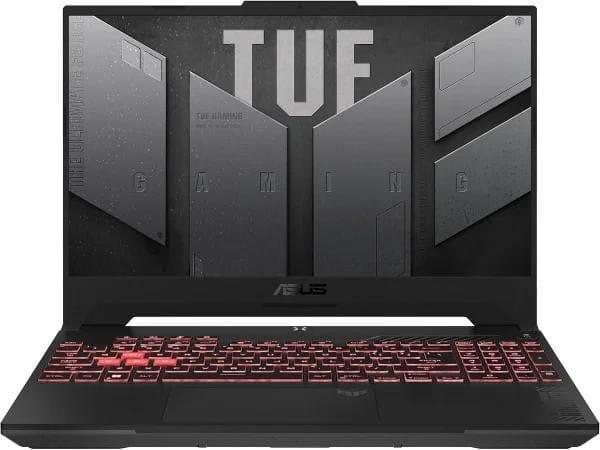
ASUS TUF Gaming A15 features an AMD Ryzen 7 7435HS processor - 8 cores, up to 4.5 GHz, without integrated graphics, so everything runs through the discrete RTX 4060 8 GB with TDP up to 140 W. The 15.6-inch IPS-level Full HD display has 144 Hz refresh rate, 250 nits brightness, and 100% sRGB - a solid gaming panel with an anti-glare coating. The chassis is MIL-STD-810H certified, made of plastic with aluminum inserts, weighing 2.2 kg.
The laptop includes 16 GB DDR5-4800 RAM (expandable to 32 GB) and a 512 GB SSD - again, not too much for heavy scenes, but there is a second M.2 slot. Ports are standard: HDMI 2.1, RJ-45, two USB-A, and two Type-C (one with DisplayPort and PD). The battery is 90 Wh, and Windows 11 Home is preinstalled.
Key Specifications:
Processor: AMD Ryzen 7 7435HS, 8 cores, up to 4.5 GHz
Graphics: NVIDIA RTX 4060 8 GB GDDR6, TDP up to 140 W
Memory: 16 GB DDR5-4800, max 32 GB
Display: 15.6" IPS, 1920×1080, 144 Hz, 100% sRGB
Storage: 512 GB SSD + free slot
Ports: HDMI 2.1, 2x USB-C (DP+PD), Ethernet
Battery: 90 Wh
Weight: 2.2 kg
Who it's for:
Those who need a durable build and military-grade certification
Beginner 3D artists who work with lighter scenes
Users who want wired internet and don't want to overpay for a display
8. GIGABYTE G6 KF
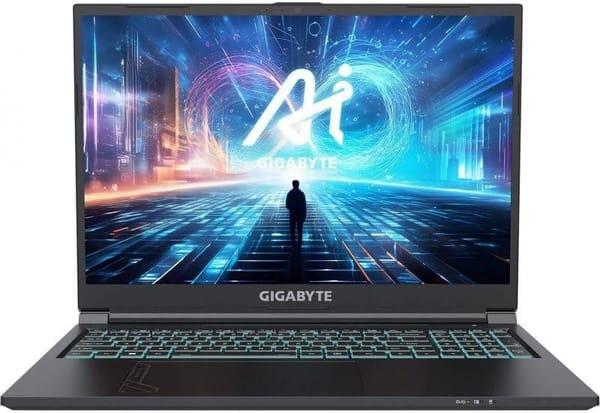
GIGABYTE G6 KF comes with the same Intel Core i7-13620H as the Zephyrus, but paired with an RTX 4060 8 GB and only 75 W TDP - meaning less noise and heat, but also slightly lower rendering performance. The 16-inch display has a 16:10 aspect ratio, 1920×1200 resolution, and 165 Hz refresh rate - the extra vertical space is useful for timelines and panels. The chassis is fully plastic and weighs 2.3 kg.
It includes 16 GB DDR5-4800 RAM (expandable to 32 GB) and a 1 TB SSD right out of the box - which is much nicer. It comes with an RGB keyboard with a numeric pad, Mini DisplayPort, and two USB-C ports. The OS is not installed, and the 150 W power adapter keeps the laptop relatively efficient.
Key Specifications:
Processor: Intel Core i7-13620H, 10 cores, up to 4.9 GHz
Graphics: NVIDIA RTX 4060 8 GB GDDR6, TDP 75 W
Memory: 16 GB DDR5-4800, max 32 GB
Display: 16" IPS, 1920×1200, 165 Hz, 16:10
Storage: 1 TB NVMe SSD
Ports: Mini DP, 2x USB-C, HDMI, Ethernet
Battery: not specified
Weight: 2.3 kg
Who it's for:
Those who want a 16:10 display for more workspace
Users who need 1 TB storage out of the box
Those installing Windows on their own and avoiding license costs
9. ASUS TUF Gaming A16 Mecha Gray
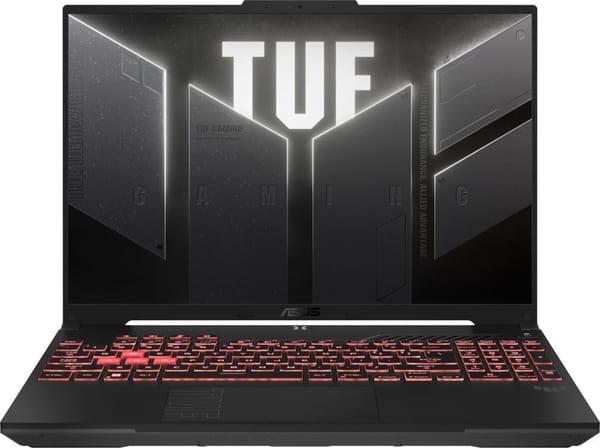
The entry-level model in the lineup - ASUS TUF Gaming A16 runs on the AMD Ryzen 5 7535HS, 6 cores, up to 4.55 GHz. The RTX 4050 with 6 GB memory and TDP up to 140 W handles graphics. The 16-inch 1920×1200 display at 144 Hz also uses a 16:10 ratio. The reinforced MIL-STD-810H chassis weighs 2.2 kg.
It includes 16 GB DDR5-4800 RAM (upgradable to 64 GB), a 512 GB SSD, and a free second slot. Ports match the TUF lineup, while the 56 Wh battery means shorter battery life.
Key Specifications:
Processor: AMD Ryzen 5 7535HS, 6 cores, up to 4.55 GHz
Graphics: NVIDIA RTX 4050 6 GB GDDR6, TDP up to 140 W
Memory: 16 GB DDR5-4800, max 64 GB
Display: 16" IPS, 1920×1200, 144 Hz, 16:10
Storage: 512 GB SSD + free slot
Ports: HDMI 2.1, 2x USB-C (DP+PD), Ethernet
Battery: 56 Wh
Weight: 2.2 kg
Who it's for:
Beginners in 3D who are fine with the RTX 4050 for now
Those planning to expand RAM to 64 GB later
Users who value durability and a 16:10 display at a fair price
10. Lenovo LOQ 15IAX9 Luna Gray
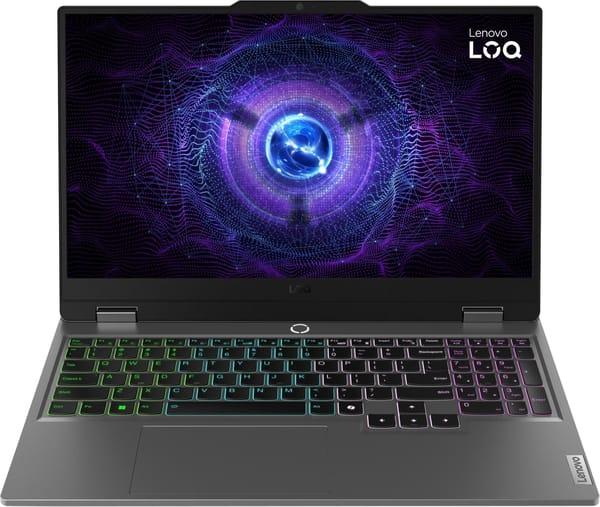
The Lenovo LOQ 15IAX9 in a gray chassis is built on the Intel Core i5-12450HX - 8 cores, with 4 performance and 4 efficiency cores, boosting up to 4.4 GHz. The RTX 4060 with 8 GB GDDR6 operates within standard limits, offering solid viewport and Cycles rendering speed. The 15.6-inch IPS Full HD 144 Hz display with 300 nits brightness and full sRGB is a typical good-quality panel. The plastic chassis passed MIL-STD-810H tests, weighing 2.38 kg.
It comes with 24 GB DDR5-4800 RAM (expandable to 32 GB), a 512 GB 2242-format SSD - small, but there is a second M.2 slot. Ports include three USB-A, one USB-C with DisplayPort and charging, HDMI 2.1, and Ethernet. The OS is DOS, the battery is 60 Wh, and it includes a 170 W power adapter.
Key Specifications:
Processor: Intel Core i5-12450HX, 8 cores (4P+4E), up to 4.4 GHz
Graphics: NVIDIA RTX 4060 8 GB GDDR6
Memory: 24 GB DDR5-4800, max 32 GB
Display: 15.6" IPS, 1920×1080, 144 Hz, 100% sRGB
Storage: 512 GB SSD (2242) + second slot
Ports: USB-C (DP+PD), HDMI 2.1, Ethernet
Battery: 60 Wh
Weight: 2.38 kg
Who it's for:
Those who need lots of RAM right away without upgrades
Beginner 3D artists working with lighter scenes
Users who value wired internet and a sturdy chassis
11. Lenovo LOQ 15IAX9E
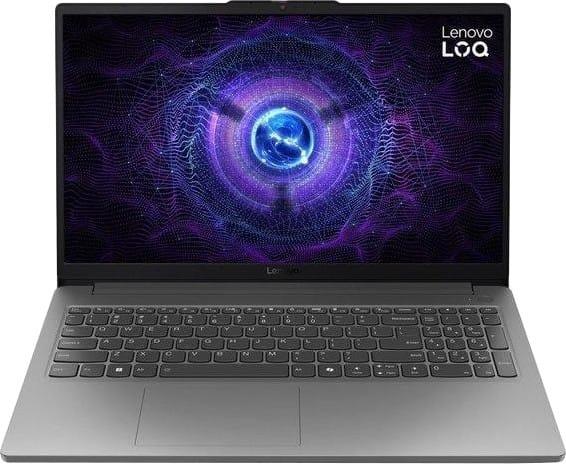
This version of LOQ 15IAX9E uses the same Intel Core i5-12450HX (8 cores, up to 4.4 GHz), but instead of the 4060 it comes with an RTX 2050 with 4 GB memory and about 65 W TDP. The display is the same - 15.6-inch Full HD 144 Hz, 300 nits, 100% sRGB. The chassis is identical, also plastic, 2.38 kg, and passed the same military tests.
It includes 16 GB DDR5-4800 RAM (expandable to 32 GB), a 512 GB 2242 SSD, and a free second slot. Ports remain unchanged: USB-C with charging and DP, three USB-A, HDMI 2.1, Ethernet. The OS is DOS, the battery is 60 Wh, and the adapter is 170 W.
Key Specifications:
Processor: Intel Core i5-12450HX, 8 cores, up to 4.4 GHz
Graphics: NVIDIA RTX 2050 4 GB GDDR6
Memory: 16 GB DDR5-4800, max 32 GB
Display: 15.6" IPS, 1920×1080, 144 Hz, 100% sRGB
Storage: 512 GB SSD + second slot
Ports: USB-C (DP+PD), HDMI 2.1, Ethernet
Battery: 60 Wh
Weight: 2.38 kg
Who it's for:
Beginners learning 3D who don’t yet work with heavy scenes
Users for whom price matters more than render speed
Students who only need a basic GPU for Blender and Substance
12. Lenovo LOQ 15ARP9
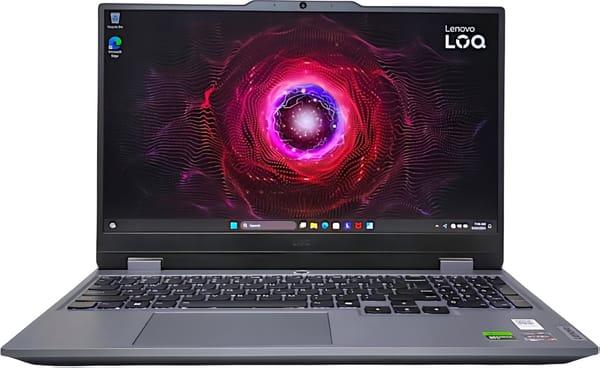
The third variation Lenovo LOQ 15ARP9 is built on the AMD Ryzen 7 7435HS - 8 full cores, 16 threads, frequencies up to 4.5 GHz. The GPU is again the RTX 4060 8 GB, but with a 105 W TDP - slightly lower than on top configs. The display is standard for the series: 15.6-inch Full HD 144 Hz, 300 nits, 100% sRGB, anti-glare. The gray plastic chassis weighs 2.38 kg.
It includes 16 GB DDR5-4800 RAM (upgradable to 32 GB), a 512 GB SSD, and a second slot. Ports remain the same, except the keyboard lighting is white instead of RGB. Windows 11 Home comes preinstalled, and USB-C charging is supported.
Key Specifications:
Processor: AMD Ryzen 7 7435HS, 8 cores/16 threads, up to 4.5 GHz
Graphics: NVIDIA RTX 4060 8 GB GDDR6, 105 W
Memory: 16 GB DDR5-4800, max 32 GB
Display: 15.6" IPS, 1920×1080, 144 Hz, 100% sRGB
Storage: 512 GB SSD + second slot
Ports: USB-C (DP+PD), HDMI 2.1, Ethernet
Battery: 60 Wh
Weight: 2.38 kg
Who it's for:
Users who prefer AMD and want more threads in the CPU
Those who need Windows preinstalled
Mid-level 3D artists working with 4K textures and renders up to 10-15 minutes per frame
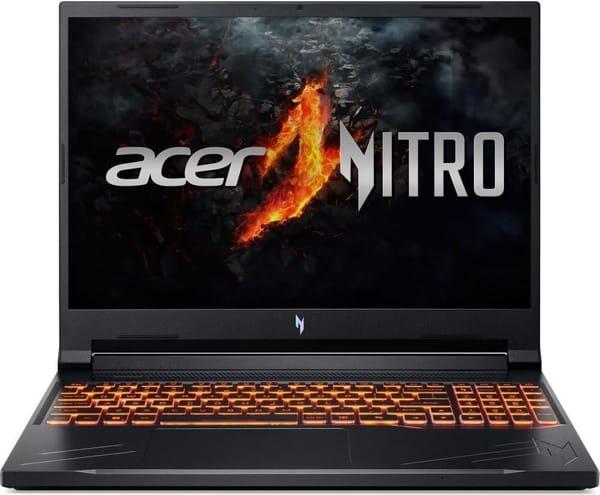
13. Acer Nitro V 16 ANV16-61
The Acer Nitro V 16 laptop is powered by the new AMD Ryzen AI 5 340 - a 6-core Zen 5 CPU with frequencies from 2.0 to 4.8 GHz, plus a built-in NPU for AI tasks. The discrete RTX 4050 with 6 GB GDDR6 and around 75-80 W TDP handles basic 3D modeling and real-time rendering, though for very heavy scenes its VRAM may be limiting. The 16-inch IPS display with 1920×1200 resolution (16:10) has 165 Hz refresh rate and 300 nits brightness, offering a bit more vertical space than regular Full HD.
The plastic black chassis weighs 2.43 kg with a thickness from 24 to 26 mm. It features 16 GB DDR5 RAM (frequency not specified, usually 5600 MHz in such configs), a 512 GB NVMe SSD, and only one slot. Ports include two USB-A 3.2 Gen2, one USB-A Gen1, one USB-C with charging and DisplayPort, HDMI, Ethernet, and a card reader. The battery is 76 Wh, the power adapter is 135 W, and the OS is DOS.
Key Specifications:
Processor: AMD Ryzen AI 5 340, 6 cores/12 threads, up to 4.8 GHz
Graphics: NVIDIA RTX 4050 6 GB GDDR6
Memory: 16 GB DDR5
Display: 16" IPS, 1920×1200, 165 Hz, 300 nits
Storage: 512 GB NVMe SSD (single slot)
Ports: USB-C (DP+PD), 3×USB-A, HDMI, Ethernet, card reader
Battery: 76 Wh
Weight: 2.43 kg
Who it's for:
Those who are just starting with 3D and aren't loading scenes with millions of polygons
Users who like a 16:10 display for easier workspace arrangement
People who want a modern CPU with NPU and don’t plan immediate upgrades
Conclusion
By 2026, the market has clearly split: those working with simple models, studying, or doing light freelance can comfortably choose an RTX 5060 12 GB + 32 GB RAM and work without issues for another couple of years. Those doing archviz, characters with millions of polygons, or rendering in Arnold/Redshift with 16K textures now need at least an RTX 5070 16 GB or 5080, and ideally should look toward 64-96 GB RAM and CPUs with 20+ threads.
Full HD displays have almost disappeared from current models - now even mid-range laptops offer 2560×1600 or higher, often 165-240 Hz and with proper DCI-P3 coverage. RAM under 32 GB is no longer found in “for work” configurations, and 512 GB SSDs now look outdated - 1-2 TB has become the norm.
In short: don’t chase the most expensive flagship if your tasks are still moderate. But skimping on VRAM and RAM is a mistake — in a year it will cost more. Choose something that gives you at least 2-3 years of headroom for your current projects, and then you will upgrade your laptop not because of slowdowns, but simply because you want something new.