


TOP iPhone for work in 2025: review and rating
December 15, 2025
Work is everywhere now: in the office, at a coffee shop, in the car between meetings, and even on the beach when you “urgently need to send revisions.” A phone either helps you handle all of that or turns the day into constant stress.
That’s why all the current models available right now are collected here. An honest ranking specifically from a work perspective: which screen size fits who, how long the battery lasts, how fast apps run, and whether the camera is good enough to properly photograph a contract or a presentation. No marketing noise - just facts and conclusions, so you can walk into a store and buy exactly what you need.

1. iPhone 17 Pro Max
iPhone 17 Pro Max comes with a 6.9-inch OLED display with a resolution of 2868×1320, a 120 Hz refresh rate, and peak brightness of 3000 nits. The screen supports HDR, a wide P3 color gamut, has an anti-reflective coating, and uses second-generation Ceramic Shield glass. The device runs on the Apple A19 Pro processor with 12 GB of RAM, and includes a 2000 GB NVMe internal storage. The aluminum body with glass panels is 8.8 mm thick, weighs 233 g, and is rated IP68 for water and dust resistance.
The camera system includes three 48 MP modules: a main camera with optical stabilization, an ultra-wide camera with a 120° field of view, and a telephoto lens with 4x optical zoom. The front camera is 18 MP. It supports 4K video recording at 120 fps, ProRes RAW, Cinematic mode, and macro video. The 5088 mAh battery supports fast wired charging, 4.5 W reverse charging, and wireless charging up to 25 W via MagSafe or Qi2. Connectivity is eSIM only, with Wi-Fi 7, Bluetooth 6.0, NFC, and satellite SOS.
Who it’s for:
People who shoot a lot of video professionally or semi-professionally and need large local storage without relying on cloud services
Those who work with heavy apps, edit photos or videos directly on the phone, or run demanding games
Users who need a large screen for documents, spreadsheets, reading, and working with multiple apps at the same time
Anyone who often works in bright sunlight or dusty or wet environments and needs maximum protection
People who don’t want to carry physical SIM cards and use only eSIM from different carriers

2. iPhone 16 Pro Max
iPhone 16 Pro Max features a 6.9-inch OLED display with a resolution of 2868×1320, a 120 Hz refresh rate, and outdoor brightness up to 2000 nits. The display supports Always-On, True Tone, HDR, and Dynamic Island, and is protected by Ceramic Shield glass. The phone runs on the Apple A18 Pro chip with 8 GB of RAM and 1000 GB of NVMe storage. The titanium body with glass panels is 8.25 mm thick, weighs 227 g, and is IP68 rated.
The main camera setup includes three modules: a 48 MP wide camera with optical stabilization, a 48 MP ultra-wide camera with a 120° field of view, and a 12 MP telephoto lens with 5x zoom. The front camera is 12 MP. It supports 4K video at 120 fps, ProRes, Log, Spatial Video, and night portrait with LiDAR. The 4685 mAh battery supports wired charging up to 27 W, wireless MagSafe charging at 25 W, Qi2 at 15 W, and 4.5 W reverse charging. It supports physical Nano-SIM and eSIM, Wi-Fi 7, Bluetooth 5.3, USB-C 3.0 with DisplayPort, NFC, and satellite SOS.
Who it’s for:
Those who shoot a lot of 4K photos and videos, use ProRes or Spatial Video, and want 1 TB of local storage without cloud dependence
Users who edit video directly on the phone or work with large RAW files
People who need a large screen for spreadsheets, documents, drawings, or multiple windows at once
Those who appreciate the lighter titanium body compared to previous Pro Max models and are fine with a slightly smaller battery to save weight
Users who still rely on a physical SIM alongside eSIM and are not ready to switch fully to digital only

3. iPhone 17 Pro
iPhone 17 Pro has a 6.3-inch OLED display with a resolution of 2622×1206, a 120 Hz refresh rate, and brightness up to 3000 nits. The screen is protected by second-generation Ceramic Shield glass, includes an anti-reflective coating, Dynamic Island, HDR support, and the P3 color space. It runs on the Apple A19 Pro with 12 GB of RAM and 512 GB NVMe storage. The aluminum body with glass panels is 8.8 mm thick, weighs 206 g, and is IP68 rated.
The camera system includes three 48 MP cameras: a main camera with optical stabilization, a 120° ultra-wide camera, and a telephoto lens with 4x zoom, plus an 18 MP front camera. It supports 4K video at 120 fps, ProRes RAW, Cinematic mode, macro video, and Deep Fusion. The 4252 mAh battery supports MagSafe and Qi2 wireless charging at 25 W, as well as 4.5 W reverse wired charging. eSIM only, with Wi-Fi 7, Bluetooth 6.0, USB-C 3.0 with DisplayPort, NFC, and satellite SOS.
Who it’s for:
Those who want top-tier specs in a body that is genuinely comfortable to use one-handed
Users who shoot and edit a lot of video but find 512 GB sufficient without paying extra for more storage
People who value lower weight and a smaller size compared to the Max version
Those who have fully switched to eSIM and don’t plan to go back to physical cards
Anyone who needs a very bright screen for outdoor work and a fast processor for demanding tasks

4. iPhone 16 Pro
Apple iPhone 16 Pro features a 6.3-inch OLED display with a resolution of 2622×1206, a 120 Hz refresh rate, and peak brightness of 2000 nits. The screen supports Always-On Display, True Tone, HDR, Dynamic Island, and is protected by Ceramic Shield glass. It runs on the Apple A18 Pro processor with 8 GB of RAM and 1000 GB NVMe storage. The titanium body with glass panels is 8.25 mm thick, weighs 199 g, and is IP68 rated.
The cameras include a 48 MP main camera with optical stabilization, a 48 MP ultra-wide camera with a 120° field of view, a 12 MP telephoto lens with 5x zoom, and a 12 MP front camera. It records 4K video at 120 fps and supports ProRes, ProRAW, Log, Spatial Video, and night portrait with LiDAR. The 3582 mAh battery supports wired charging up to 27 W, MagSafe at 25 W, Qi2 at 15 W, and 4.5 W reverse charging. It includes a Nano-SIM slot plus eSIM, Wi-Fi 7, Bluetooth 5.3, USB-C 3.0 with DisplayPort, NFC, and satellite SOS.
Who it’s for:
Those who want a compact flagship that fits easily in a pocket and is comfortable to use one-handed
Users who shoot a lot of content in ProRes or ProRAW and need 1 TB of storage for files
People who care about the lighter 199 g weight - the difference compared to the Max is noticeable after just a few hours
Those who still use a physical SIM card and don’t want to switch fully to eSIM
Anyone who finds 6.3 inches enough for documents and spreadsheets but still needs top performance and cameras

5. iPhone 17
iPhone 17 gets a 6.3-inch display with a 120 Hz refresh rate - scrolling feeds and spreadsheets now feels noticeably smoother than on 60 Hz models. The aluminum body weighs 177 grams and feels solid in the hand without being heavy. There are two cameras: a main and an ultra-wide, both 48 MP - handy for photographing full A4 documents or rooms for reports.
The A19 processor with 8 GB of RAM keeps everything running fast, even with messengers, a browser, and notes open at the same time. It supports both a physical SIM card and eSIM, plus a side Camera Control button. Screen brightness goes up to 3000 nits, so text remains readable even in bright sunlight.
Who it’s for:
Those looking for a balanced middle ground between compact size and a larger screen
People who need an ultra-wide camera for capturing documents and interiors
Users who appreciate the smoothness of 120 Hz in everyday messaging
Those who want both a physical SIM and a current-generation processor
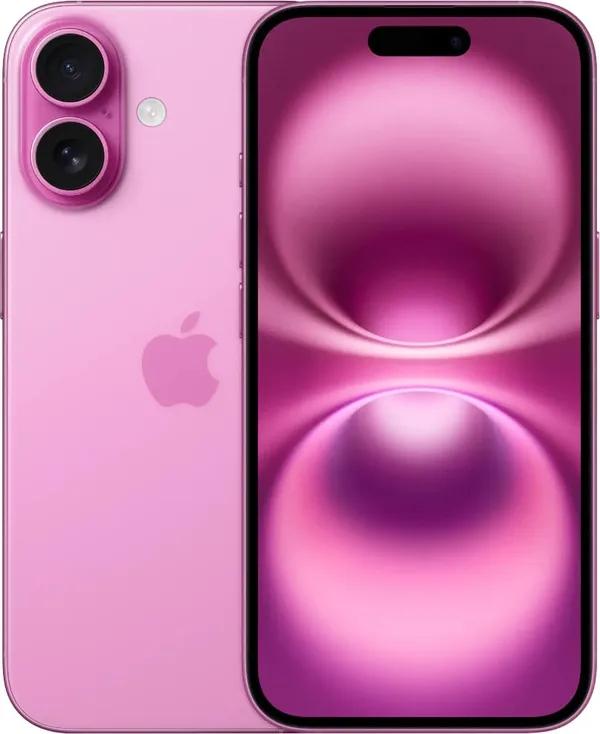
6. iPhone 16 Plus
iPhone 16 Plus features a 6.7-inch OLED display with a resolution of 2796×1290, a 60 Hz refresh rate, and brightness up to 2000 nits. The screen supports HDR, True Tone, Dynamic Island, and is protected by Ceramic Shield glass. It runs on the Apple A18 chip with 8 GB of RAM and 512 GB of NVMe storage. The aluminum body with glass panels is 7.8 mm thick, weighs 199 g, and is rated IP68.
There are two cameras: a 48 MP main camera with optical stabilization and a 12 MP ultra-wide camera with a 120° field of view, plus a 12 MP front camera. It records 4K video at 60 fps and includes Cinematic mode, Action mode, Deep Fusion, and macro video. The 4674 mAh battery supports wired charging up to 27 W, MagSafe at 25 W, Qi2 at 15 W, and 4.5 W reverse charging. It supports Nano-SIM and eSIM, Wi-Fi 7, Bluetooth 5.3, USB-C 2.0 with DisplayPort, NFC, and satellite SOS.
Who it’s for:
Those who want a large screen for viewing documents, spreadsheets, or video, but do not need the top-tier cameras of the Pro lineup
Users who are fine with 60 Hz and two cameras, but value long battery life
People looking for a lightweight phone with a big display - 199 g at 6.7 inches is barely noticeable
Those who store a lot of photos, shows, or music offline and find 512 GB more than enough
Anyone who needs solid battery life for a day and a half to two days of regular use and still relies on a physical SIM card
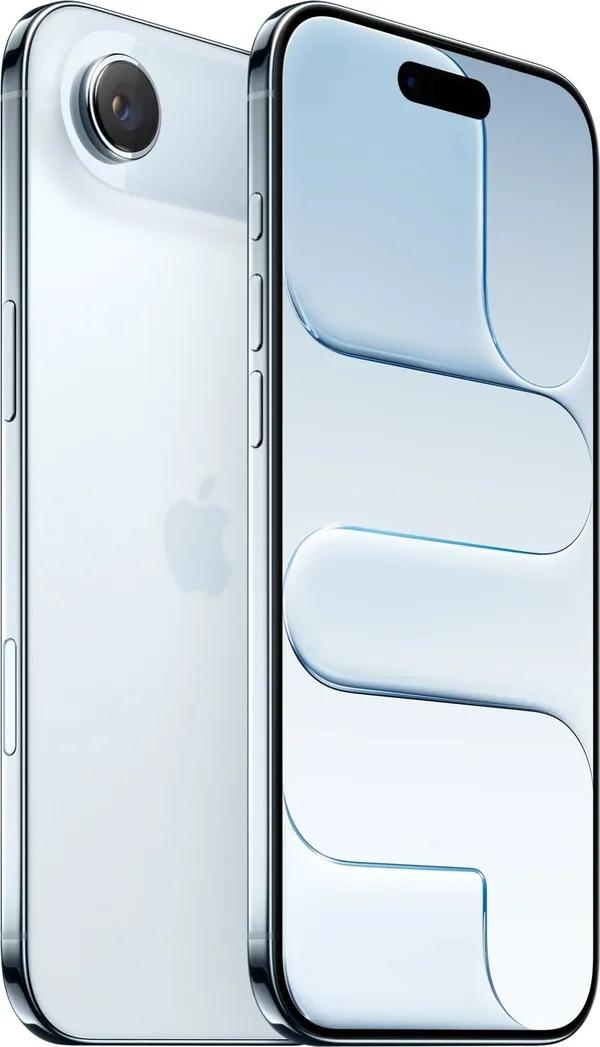
7. iPhone Air
iPhone Air was made just 5.6 mm thin and weighs only 165 grams - it genuinely feels like a slim sheet that you can slip even into a narrow inner jacket pocket and forget it is there. The 6.5-inch display runs at 120 Hz with brightness up to 3000 nits, so everything stays visible in sunlight and scrolling through chats and documents feels smooth, without stutter. There is only one camera, but it is a 48 MP unit with stabilization - documents and whiteboards with marker text come out sharp, without blur around the edges.
The frame is titanium, the glass is second-generation Ceramic Shield, and it supports eSIM only. The A19 Pro processor with 8 GB of RAM easily handles dozens of open tabs and heavy PDF files. A dedicated Camera Control button lets you start shooting with a single press, which is handy when you need to quickly capture a receipt or a slide during a meeting.
Who it’s for:
Those who carry their phone in tight pants or under a jacket
People who care about smooth scrolling and a bright screen outdoors
Anyone willing to stick with a single camera in exchange for minimal thickness
Users who switched to eSIM long ago and do not want physical cards anymore
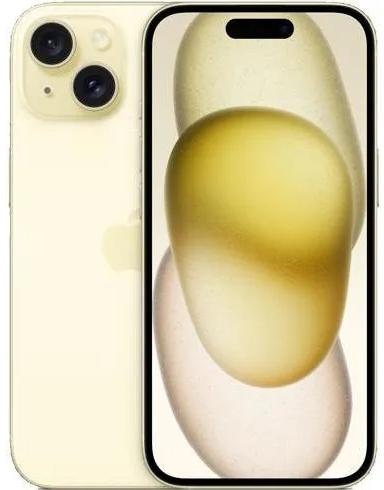
8. iPhone 15 Plus
iPhone 15 Plus has a 6.7-inch OLED display with a resolution of 2796×1290, a 60 Hz refresh rate, and brightness up to 2000 nits. The display features Dynamic Island, Ceramic Shield protection, and support for HDR and True Tone. It runs on the Apple A16 Bionic with 6 GB of RAM and 512 GB of NVMe storage. The aluminum body with glass panels is 7.8 mm thick, weighs 201 g, and is rated IP68.
There are two cameras: a 48 MP main camera with optical stabilization and a 12 MP ultra-wide camera with a 120° field of view, plus a 12 MP front camera. It records 4K video at 60 fps and includes Cinematic mode, Action mode, and Deep Fusion. The 4383 mAh battery supports wired charging up to 27 W, MagSafe at 15 W, and 4.5 W reverse charging. It supports Nano-SIM and eSIM, Wi-Fi 6, Bluetooth 5.3, USB-C 2.0 with DisplayPort, NFC, and satellite SOS.
Who it’s for:
Those who want a large screen and solid battery life without paying extra for Pro features
Users who are fine with 60 Hz and two cameras without telephoto or ProRes
People who store a lot of content offline and find 512 GB enough for years
Anyone looking for the most affordable option with a large OLED display and Dynamic Island in the Plus size
Those who want a light and slim phone with a battery that easily lasts a day and a half of regular use
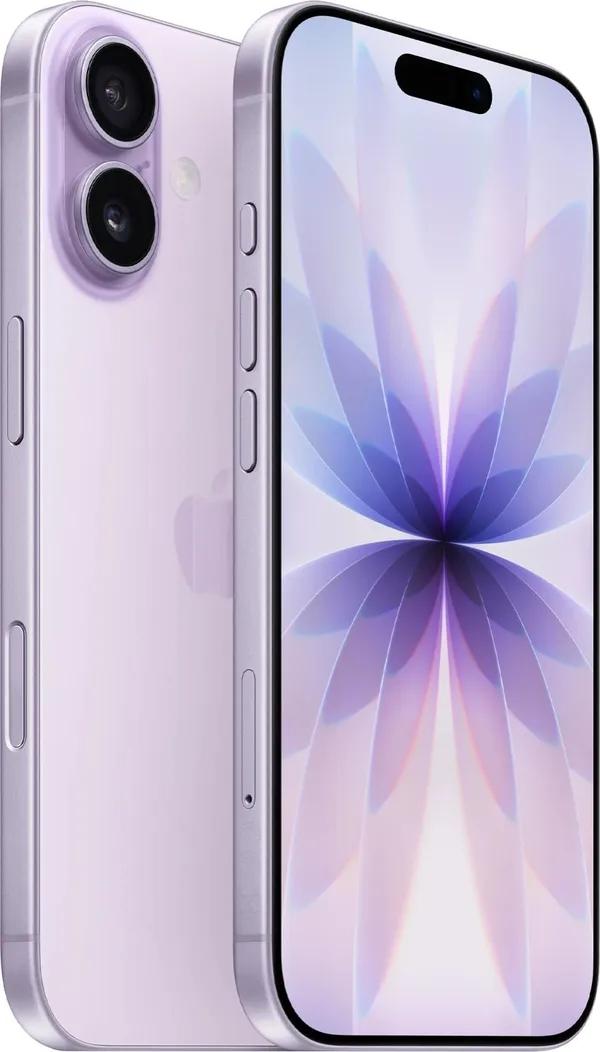
9. iPhone 16e
iPhone 16e is the smallest of the current models, with a 6.1-inch display and a weight of just 167 grams, making it easy to use one-handed even in a crowded subway. The OLED screen reaches 1200 nits, the bezels are noticeable, and the cutout is a simple bar, but the price is the lowest. There is a single 48 MP camera with stabilization - document photos come out sharp as long as you hold the phone steady.
The A18 processor with 8 GB of RAM keeps everything fast, and multitasking does not slow down. There is a slot for a standard Nano-SIM, which is still useful when traveling to areas where eSIM is not fully supported yet. Wi-Fi 6 and MagSafe charging at just 7.5 W are here, but the aluminum body feels familiar and comfortable in hand.
Who it’s for:
Those tired of large phones and looking for something smaller
Travelers and business trips where a physical SIM card is still needed
People who mostly write messages and check email
Anyone looking for the most affordable entry into the current generation
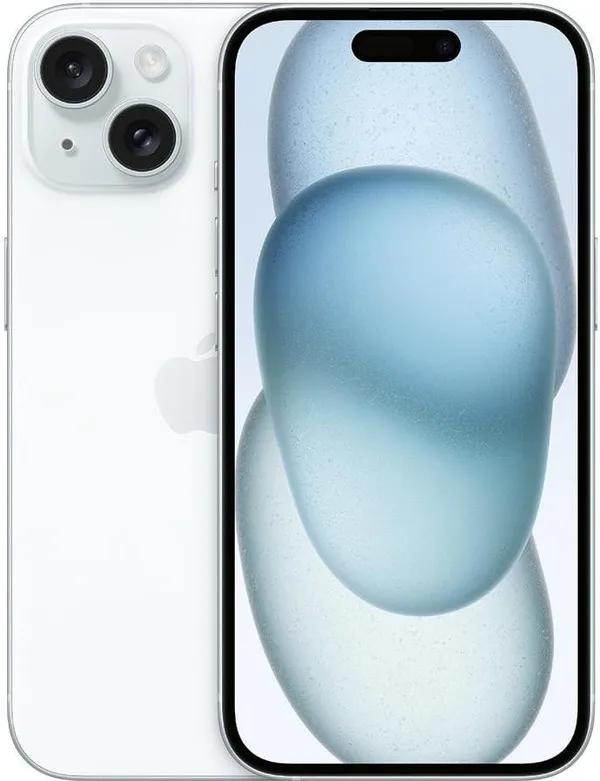
10. iPhone 15
iPhone 15 has a 6.1-inch display and weighs just 171 grams - the kind of size that slips easily into any pocket and never gets in the way, even if you carry it in jeans all day. The aluminum body has a matte back panel that feels nice to the touch and barely shows fingerprints. Two cameras - a 48 MP main and a 12 MP ultra-wide - capture documents and presentations clearly, especially in good lighting.
The A16 Bionic processor with 6 GB of RAM still handles all work apps quickly, along with dozens of browser tabs and large PDFs. The screen runs at 60 Hz, but brightness reaches up to 2000 nits, so text and spreadsheets stay readable outdoors. It supports both Nano-SIM and eSIM, MagSafe at 15 W, and uses a bar-style cutout instead of Dynamic Island, which is not a deal-breaker for most.
Who it’s for:
Those who want a compact phone that is easy to use with one hand
People who frequently photograph documents and do not want to carry a heavy phone
Users who are satisfied with 60 Hz and the proven performance of the A16
Anyone who values the classic size and does not want to overpay for newer models
Conclusion
There is no single best iPhone for work - everything comes down to four practical factors.
If your day is filled with meetings, calls, and light spreadsheets, and your phone lives in a jacket pocket, a model with a 6.3-inch screen and a 3500-3700 mAh battery is enough. Around 7-9 hours of active screen time works fine when there is a power outlet or MagSafe nearby.
When you constantly have two windows open side by side, large Excel files, PDFs, or drawings, a 6.7-6.9-inch screen makes more sense. Batteries in the 4300-5100 mAh range deliver 10-14 hours of use, and the phone still has charge left by evening even with active 5G and Zoom.
Performance wise, 6 GB of RAM and the A16 handle email, Teams, Office 365, and dozens of Safari tabs without issues. 8 GB with A18 or A19 is useful when several heavy web apps run at the same time with many background processes. 12 GB and A19 Pro are really only needed for editing 4K 120 fps video or running complex calculations directly on the phone.
Cameras: for basic document scanning and photographing presentations, a dual 48+12 MP setup is more than enough. If you need to shoot client video in ProRes, Log, or 120 fps and then edit it, three 48 MP sensors and a Pro model become necessary.
The takeaway is simple: look at your typical workday - what screen size does not annoy you, how many hours you spend away from a charger, and what exactly you shoot. Those three answers will point you to the right model more accurately than any ranking.