


Top cameras for video shooting: how to choose a successful model
January 3, 2026
Today, the boundary between still cameras and professional video cameras has almost completely blurred. Modern mirrorless models shoot video of such high quality that they are confidently used for commercials, music videos, documentaries, and YouTube channels with millions of subscribers. At the same time, they are more compact, more versatile, and often cheaper than classic camcorders.
But there's a catch: not every “good still camera” automatically suits videography. Some models overheat, others limit recording time, and others have weak autofocus or mediocre stabilization. And marketing, as always, knows how to beautifully package numbers without explaining how it all actually performs in real life.
In this article, we've compiled a top list of cameras for video shooting. We'll discuss which cameras are truly convenient for video, who they suit, and what to pay attention to before buying.
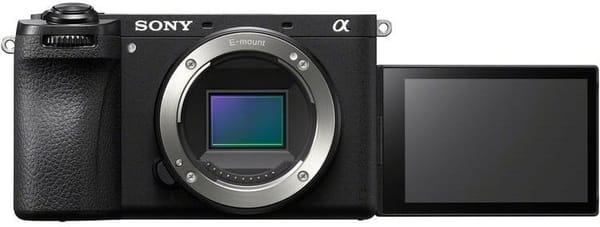
1. Sony Alpha 6700
Sony Alpha A6700 feels like a camera designed for those who shoot a lot of video on the move. It's a compact mirrorless with an APS-C sensor that doesn't feel overloaded with features, yet gives a real sense of control over the shoot. The camera is lightweight, fits comfortably in the hand, and doesn't tire you out during long sessions. Built-in stabilization noticeably helps when shooting handheld, and the flip-out screen simplifies work in unconventional positions, such as self-shooting or low-angle shots.
In everyday use, the A6700 is appreciated for its versatility. Autofocus works confidently and calmly tracks movement in the frame, while the ability to shoot 4K at high frame rates gives more freedom in editing. The camera doesn't require deep technical knowledge, but if desired, it allows fine-tuning of the image. It's a practical tool for those who want to shoot video regularly without constantly fighting the settings.
Key highlights:
26MP APS-C CMOS sensor
4K video recording up to 120 fps
In-body image stabilization
Hybrid autofocus system
Vari-angle touchscreen
Who it's for:
vloggers and solo creators
travel and outdoor shooting
those who combine photo and video
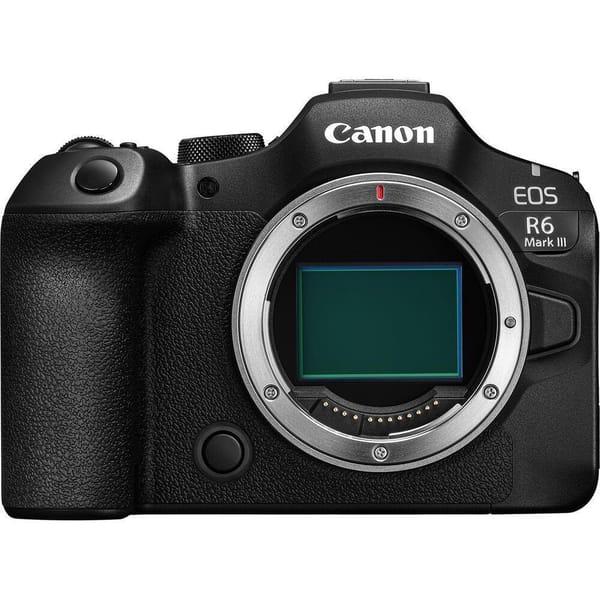
2. Canon EOS R6 Mark III
Canon EOS R6 Mark III feels like a reliable workhorse for regular shooting. The full-frame sensor delivers a calmer, more cinematic image, especially in low light. The camera holds color and exposure confidently, and autofocus performs stably and predictably, without sudden jumps or misses.
In video work, the R6 Mark III is often used for events, interviews, and commercial projects. Dual card slots add confidence during long recordings, and in-body stabilization helps shoot handheld without excessive frame jitter. The camera is built for those who value reliability and repeatable results over experimenting with extreme settings.
Key highlights:
24.2MP full-frame CMOS sensor
4K video up to 60 fps
In-body image stabilization
Dual Pixel autofocus system
Dual card slots
Who it's for:
commercial videographers
event and interview shooting
users of the Canon RF system
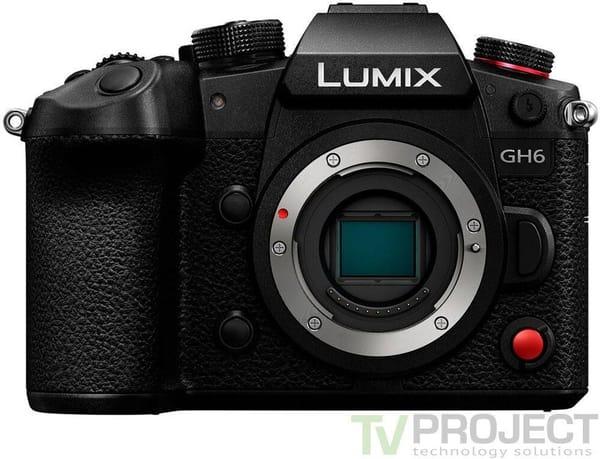
3. Panasonic Lumix DC-GH6
Panasonic Lumix DC-GH6 immediately makes it clear that this is a camera with a strong focus on video. It's designed for those accustomed to working with settings and who understand why different formats and codecs matter. The camera supports high resolution and offers flexibility in recording, which is convenient for later editing and color grading. The body feels more substantial, but that's the trade-off for comfortable controls and stable performance during long recordings.
In practice, the GH6 shines best with a manual approach. It doesn't force automatic decisions and allows precise image tuning for specific tasks. The Micro 4/3 format enables the use of compact lenses, which is handy for mobile shooting. This is a camera for thoughtful work, not for quick spontaneous shots.
Key highlights:
25.2MP Live MOS sensor
Video recording up to 5.7K
Support for professional video codecs
Vari-angle touchscreen
Dual card slots
Who it's for:
experienced videographers
music videos and short films
those who prefer manual control
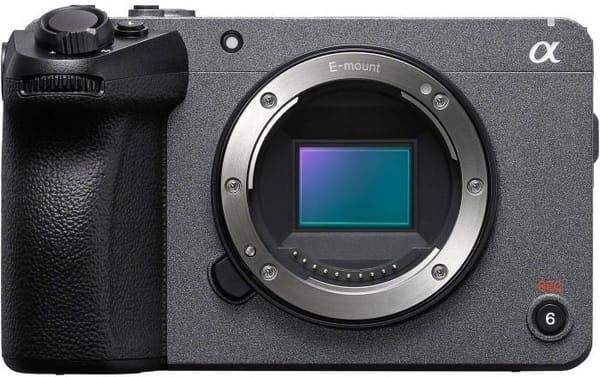
4. Sony FX30
Sony FX30 is hard to see as a regular still camera. It's a compact cinema camera built specifically for video production. There's no emphasis on photography here; instead, the workflow logic is closer to professional cinema gear: easy rigging, external audio support, and reliable video recording. The Super 35 sensor is familiar to those who've worked with cinema lenses and pro setups.
The FX30 is more often used as part of a production system rather than an all-purpose camera “for everything.” It performs well on a tripod, gimbal, or rigged with accessories. This is a tool for those who plan their shoots in advance and understand their workflow pipeline.
Key highlights:
Super 35 CMOS sensor
4K video up to 120 fps
Exclusively video-oriented design
Support for professional recording formats
Compact body for rigging
Who it's for:
small production teams
short films and commercials
work with external audio and accessories
Conclusion
Choosing a camera for video shooting almost never comes down to dry specifications. In practice, completely different factors matter: how the camera behaves in real conditions, whether it's comfortable to work with for hours, and whether the gear gets in the way of the creative process. Some prioritize compactness and mobility, others value stability and quality headroom, and still others need flexibility in post-production. There's no universal option here—and frankly, there doesn't need to be.
A good starting point is to honestly answer where and how you'll shoot most often. For vlogs and travel, lightness and autofocus matter more; for commercial work, reliability and predictability; for cinema and documentaries, control over the image and post-processing. When the camera fits your working style, it stops being the center of attention and simply does its job. And that's probably the main sign of a successful choice.