


Top Cameras for Sports and Wildlife Photography
January 3, 2026
Sports photography and wildlife photography are perhaps some of the most demanding genres in photography. Everything happens too fast and too unpredictably here. Today you catch the perfect moment at the stadium, and tomorrow you sit in a hide for hours waiting for the animal or bird to finally appear in the frame. In both cases, a mistake can cost you the only successful shot.
In such conditions the camera is not just a tool, but a true partner. It must react instantly to movement, hold focus tenaciously, withstand long bursts and at the same time not fall apart at high ISO. Add to this shooting at dawn, in twilight, in rain or in frost — and it becomes clear why not every camera is suitable for sports or wildlife. In this material we have collected cameras that really cope with dynamics and difficult conditions.
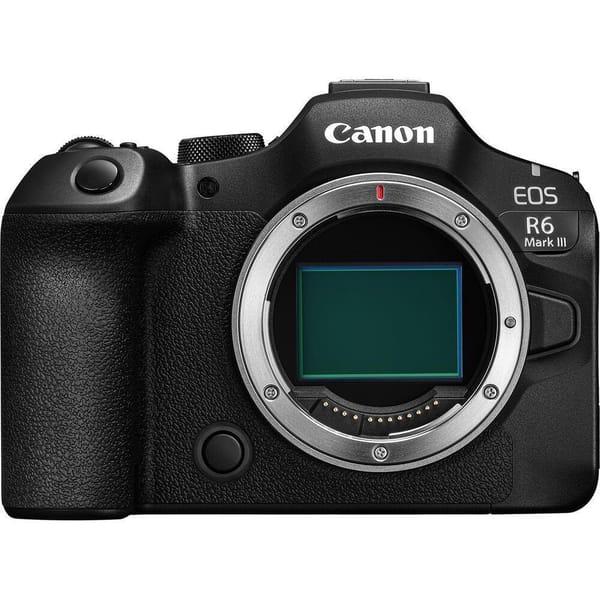
1. Canon EOS R6 Mark III
Canon EOS R6 Mark III is usually perceived as a camera that feels comfortable in constantly changing conditions. It calmly handles fast movement, difficult lighting and situations where you cannot think about settings for a long time. This is especially noticeable when shooting sports or wildlife: the camera reacts quickly, confidently holds focus and does not force the photographer to fight the equipment in the decisive moment.
When working with video, the model feels thoughtfully designed specifically for real shooting, not for tests on paper. Stabilization helps when shooting handheld, especially at long focal lengths, and the recording formats provide freedom during editing. The camera is well suited for those who alternate photo and video in one project and do not want to change the device depending on the task.
Key points:
Full-frame sensor with good detail
High burst shooting speed for dynamic subjects
In-body image stabilization
Support for modern video codecs
Two slots for memory cards of different types
Who it suits:
Sports and active events shooting
Wildlife photographers
Those who often shoot handheld
Users combining photo and video
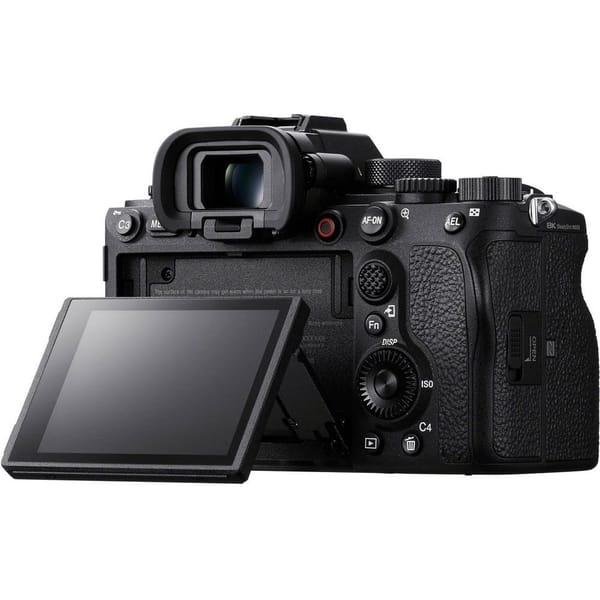
2. Sony Alpha A1
Sony Alpha A1 is often chosen for the combination of high resolution and speed, which is not so easy to find in one camera. It provides a large detail reserve, which is especially useful when shooting nature, when the subject is far away and cropping happens after the shot. At the same time, the camera remains fast enough for sports subjects and does not feel slow in operation.
In video, the Alpha A1 is designed for those who are used to controlling the process from start to finish. High resolution, different recording formats and stable autofocus performance make it convenient for serious video shooting. The camera requires a careful approach to settings, but in return provides a predictable and clean result.
Key points:
High-resolution full-frame sensor
Fast burst shooting
Accurate autofocus system
Support for high-resolution video recording
Two memory card slots
Who it suits:
Wildlife shooting with subsequent cropping
Sports photographers working with detail
Video makers with high quality requirements
Sony E-mount system users
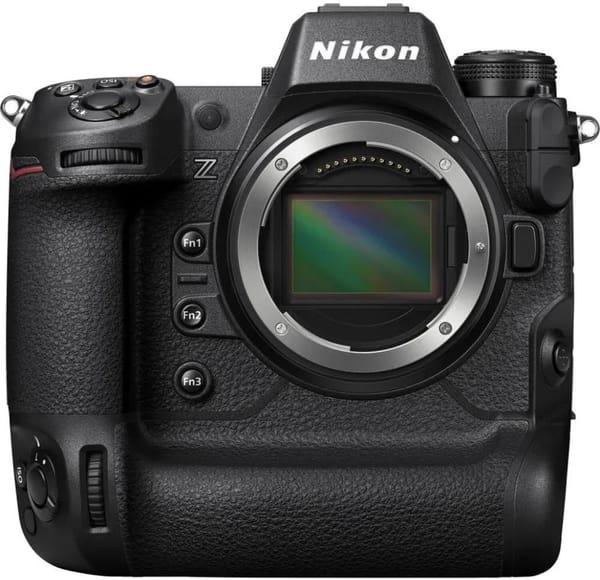
3. Nikon Z9
Nikon Z9 feels like a camera made for long and hard work. It is large, massive and does not try to be compact, but inspires confidence when shooting in rain, frost or dusty conditions. For sports and wildlife this is important — the camera does not distract and does not look fragile.
In video the Z9 behaves confidently during long recording and in complex scenarios. The controls are more reminiscent of professional Nikon DSLRs, which makes the transition to mirrorless less painful for experienced users. This is a tool designed for intensive use, not for occasional shooting.
Key points:
High-resolution full-frame sensor
Rugged weather-sealed body
Blackout-free electronic viewfinder
Advanced video recording capabilities
Two slots for fast memory cards
Who it suits:
Professional sports shooting
Expeditions and wildlife photography
Experienced Nikon users
Those for whom body reliability is important
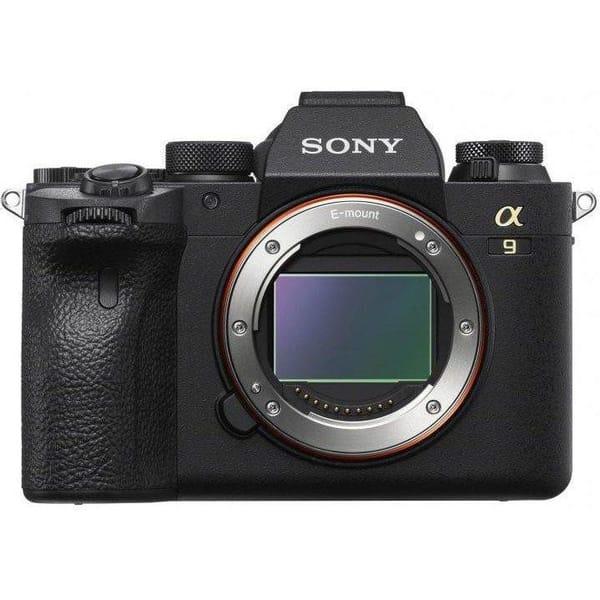
4. Sony Alpha 9 II
Sony Alpha 9 II was originally designed with an emphasis on speed, and this is felt in real work. The camera turns on quickly, focuses instantly and steadily tracks the subject in the frame. For sports and reportage this is often more important than maximum resolution.
Video here plays a supporting role. The capabilities are sufficient for documenting events or short clips, but the camera is primarily aimed at photographers. It is compact, well-balanced and not overloaded with functions that are rarely used in dynamic shooting.
Key points:
Full-frame sensor with moderate resolution
High burst shooting speed
Reliable subject tracking
Compact weather-sealed body
Two memory card slots
Who it suits:
Sports and reportage photographers
Those for whom response speed is important
Sony E-mount lens users
Dynamic events shooting
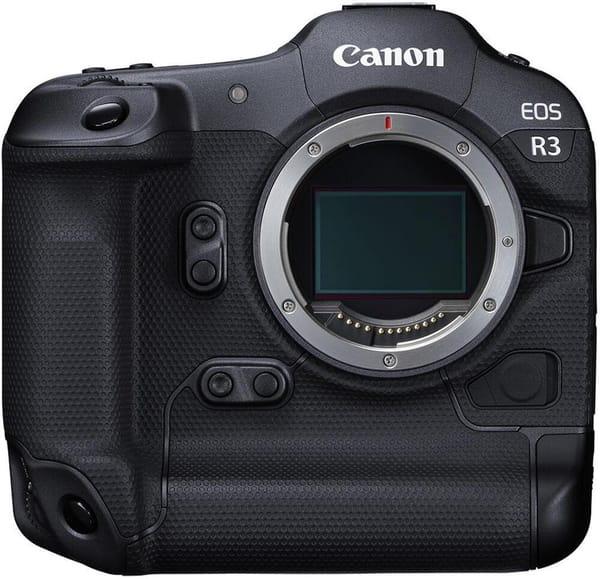
5. Canon EOS R3
Canon EOS R3 was created with constant movement in mind. The camera confidently handles fast subjects, reacts well to scene changes and does not require frequent manual focus correction. In sports shooting and when working with animals this saves time and nerves.
Video capabilities here are significantly expanded compared to classic photo-oriented models. The camera is suitable for dynamic video shooting, including high frame rates, and performs well in low light. This is a versatile tool for those who do not strictly separate tasks into photo and video.
Key points:
Full-frame sensor
High burst shooting speed
Intelligent autofocus system
Support for high frame rate video recording
Rugged body
Who it suits:
Sports and wildlife shooting
Work in difficult lighting conditions
Canon RF users
Those who often shoot movement
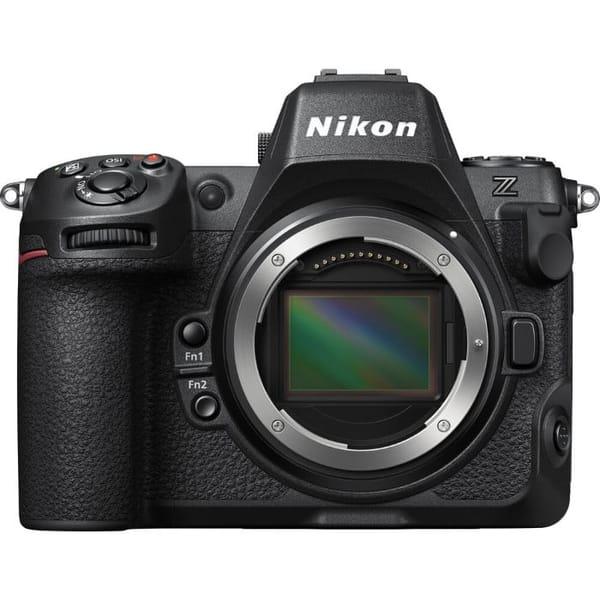
6. Nikon Z8
Nikon Z8 is often perceived as a more compact version of the Z9, but in terms of capabilities it remains very close to the flagship. The camera provides high resolution, confident autofocus and modern video modes, while taking up less space in the backpack. This is important for travel shooting or long treks.
In video the Z8 feels confident and allows working with different formats without complicated limitations. The camera is well suited for those who shoot both photo and video within one task, without making a strict division between formats.
Key points:
High-resolution full-frame sensor
Modern autofocus system
Advanced video modes
Image stabilization
Support for several types of memory cards
Who it suits:
Universal photo and video shooting
Sports and wildlife on the go
Nikon Z users
Those looking for a balance of size and capabilities
Conclusion
Sports and wildlife shooting rarely forgives mistakes. A lot is decided in seconds, and sometimes in fractions of a second, which is why the choice of camera is usually approached more strictly than in other genres. But at the same time it is important to understand one simple thing: there is no universal option “for everyone and everything”. Each of the reviewed cameras has its own character, its own strengths and its own compromises.
For some, speed and confident subject tracking are more important, for some — resolution headroom for cropping, and someone is looking for a balance between photo and video in one body. And that is normal. A camera for sports and wildlife is not about numbers in a table, but about how comfortable it is to work with it in real conditions: in the cold, in dust, in rain or during many hours of shooting without pauses.
The good news is that modern mirrorless cameras have already reached a level where technology ceases to be the bottleneck. With the right choice, it rather helps to concentrate on the frame than distracts with settings. And then everything is decided by experience, patience and the ability to be in the right place at the right time — no camera will do this for the photographer.