


Top cameras for product and commercial photography in 2026
January 3, 2026
Product and commercial photography is the area of photography where "approximately good" simply doesn't work. Every detail matters here: surface texture, color accuracy, smooth light gradients, and absolute sharpness at the desired point. In this genre, the camera is not just a tool — it becomes a full-fledged work partner on which the result, and ultimately your income, directly depends.
The camera market today is flooded with models boasting impressive specifications, but far from every camera is truly suitable for studio, catalog, or advertising photography. In this article, we review the best cameras for product and commercial photography, relying not only on spec-sheet numbers but also on real-world working experience: color rendition, dynamic range, studio usability, and reliability during long sessions.
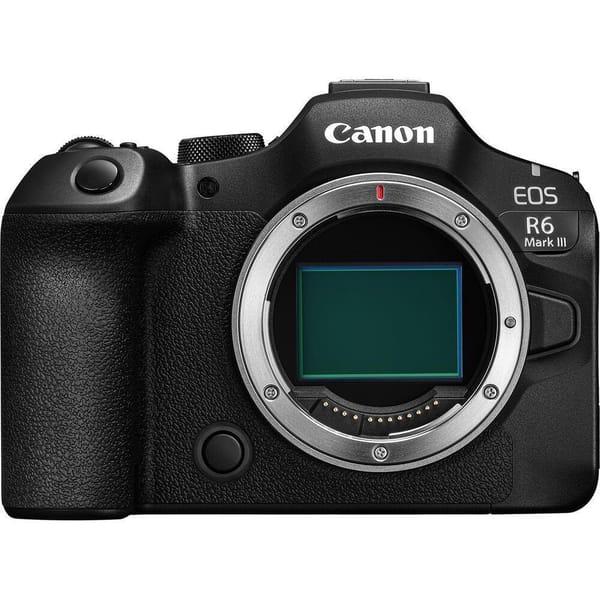
1. Canon EOS R6 Mark III
The Canon EOS R6 Mark III is commonly regarded as a reliable workhorse for commercial photography. It performs very well for product shooting, advertising projects, and studio work where consistent results and predictable camera behavior are essential. The full-frame sensor allows confident handling of details, textures, and complex lighting without fear of quality loss.
In daily use, the Canon EOS R6 Mark III stands out thanks to its thoughtful ergonomics and fast response. The in-body stabilization helps achieve sharp handheld shots, while the wide range of settings makes it easy to adapt the camera to various commercial tasks — from catalog photography to staged product advertising shots.
Key highlights:
Full-frame sensor for both photo and video
RAW video support and Open Gate recording
In-body image stabilization
Dual card slots: CFexpress + SD
Vari-angle touchscreen
Best suited for:
Commercial photographers who also shoot video
Product and advertising studios
Studios with regular content production
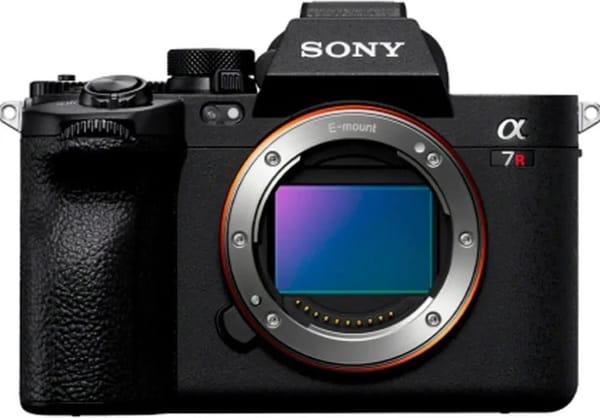
2. Sony Alpha A7R V
The Sony Alpha A7R V is most often chosen for its extremely high resolution and accurate image rendering. It excels in product and advertising photography where maximum information must be preserved in the frame. The high resolution provides significant cropping and retouching headroom — especially valuable in commercial projects.
In studio conditions, the Sony Alpha A7R V really shines when shot from a tripod under controlled lighting. It allows precise control over focus, color, and fine details, making it ideal for catalogs, product compositions, and high-quality advertising imagery.
Key highlights:
High-resolution full-frame sensor
8K video recording
In-body image stabilization
Vari-angle touchscreen
Dual card slots
Best suited for:
Product and advertising photography studios
Photographers working with large-format images
Projects that demand maximum detail
3. Nikon Z 7 II
The Nikon Z 7 II is perceived as a calm and dependable tool for commercial photography. It performs well with products, interiors, and advertising scenes where natural colors, smooth tonal transitions, and clean detail rendition are important. In use it feels logical and predictable.
In studio environments, the Nikon Z 7 II handles long shooting sessions and complex lighting setups with confidence. It offers precise exposure and color control — especially valuable for product photography and texture work.
Key highlights:
Full-frame sensor
In-body image stabilization
Compatibility with Nikon Z lenses
Dual card slots
Vari-angle touchscreen
Best suited for:
Product and interior photographers
Studios with steady workflow
Existing Nikon system users
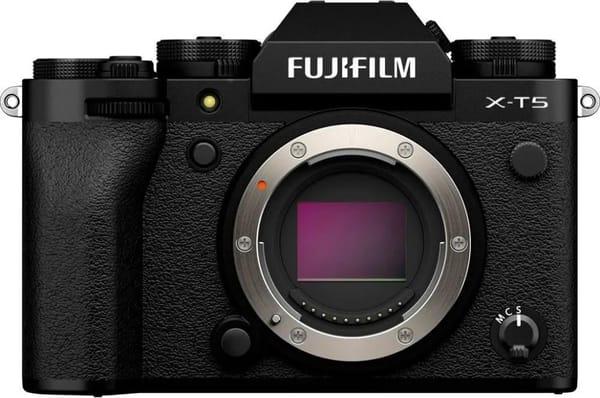
4. Fujifilm X-T5
The Fujifilm X-T5 is chosen for its excellent balance of compact size and high image quality. It suits commercial tasks where color, detail, and ease of use matter. The high-resolution APS-C sensor allows confident shooting of products and textures with minimal compromise.
In product photography the Fujifilm X-T5 performs well both in studio and on location. It is lightweight, comfortable to handle, and allows fast adaptation to different scenes — very convenient for time-constrained commercial projects.
Key highlights:
High-resolution APS-C sensor
In-body image stabilization
4K video recording
Compact body
Vari-angle touchscreen
Best suited for:
Small studios and commercial photographers
Content creators and photographers
Those who value compact gear
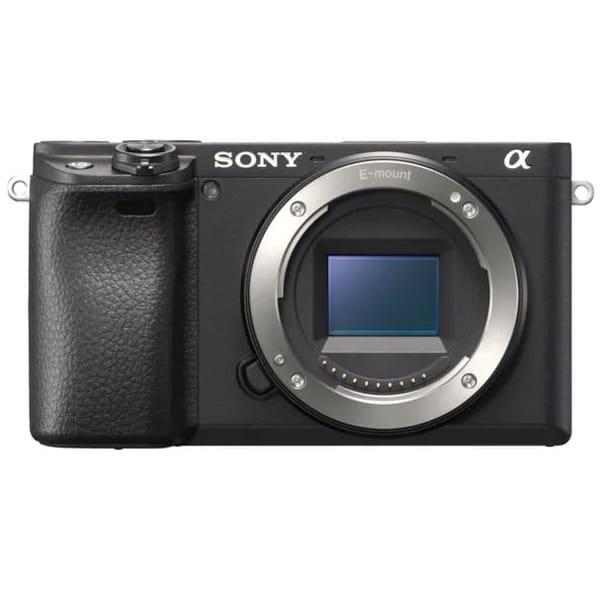
5. Sony Alpha 6400
The Sony Alpha 6400 is frequently used as a compact workhorse for entry- to mid-level commercial photography. It is well suited for product shooting, marketplace content, and simple advertising tasks. The camera is lightweight and requires minimal setup.
In use, the Sony Alpha 6400 impresses with its speed and accurate autofocus. When shot from a tripod or in good light, it delivers consistent, predictable results — important for catalog and commercial photography.
Key highlights:
APS-C CMOS sensor
4K video recording
Compact size
Flip-out screen
Fast autofocus
Best suited for:
Beginning commercial photographers
Product and online marketplace content shooting
Small-scale commercial projects
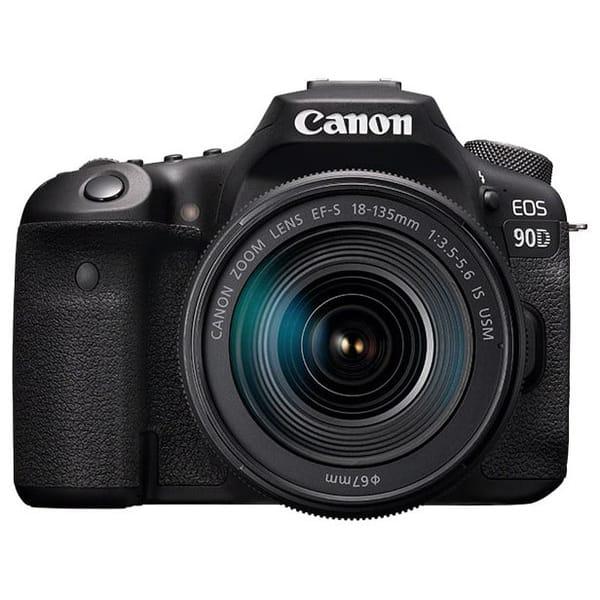
6. Canon EOS 90D
The Canon EOS 90D remains relevant for those who prefer DSLRs and classic ergonomics. It is commonly used in product photography and commercial projects where reliable studio performance and familiar controls are valued.
In product and advertising work, the Canon EOS 90D performs well on a tripod with studio lighting. Support for the vast EF and EF-S lens ecosystem makes it a convenient choice for photographers already invested in the Canon system.
Key highlights:
APS-C CMOS sensor
DSLR design
4K video recording
Vari-angle touchscreen
EF and EF-S lens compatibility
Best suited for:
Canon DSLR users
Studio product photography
Photography-focused commercial projects
Conclusion
In product and commercial photography, a camera is rarely "just a camera." More often it is a working tool that either lets you focus calmly on the job or constantly distracts and slows you down. Each model in this review approaches the same task differently — and that is perhaps their main value. Some prioritize maximum detail, others video convenience, and others compactness and workflow simplicity.
It's important to understand there is no universal option. Studio product work with controlled light and tripod has one set of requirements; fast-turnaround catalog or advertising video has a completely different set. The camera should fit into your workflow — not the other way around. That's why, when choosing, it makes sense to look beyond specifications and consider real-world behavior: how comfortable the controls are, how quickly the camera is ready to shoot, and how predictable the results remain.
Ultimately, the best choice is the one that doesn't get in the way of focusing on the task. When gear demands minimal attention, space opens up for light, detail, and composition. And in commercial photography, that is exactly what separates clean professional work from mediocre results.