


Best Cameras for Macro Photography: When Every Detail Matters
January 3, 2026
Macro photography pulls you in unexpectedly. At first, you just try to shoot a flower a bit closer, then you catch yourself lying on the ground for a shot of an ant or spending hours setting up the light to capture the texture of an old coin. In those moments, it quickly becomes clear: not every camera handles close-up work equally well.
For macro, things matter that people rarely think about in everyday shooting — autofocus precision, stable sensor performance at low ISO, comfortable manual focus, and even how well the camera “gets along” with a tripod. Sometimes the difference between a successful frame and disappointment is literally a couple of millimeters of focus or poor stabilization. In this review, we’ve gathered cameras that have proven themselves specifically in macro photography — not according to marketing brochures, but based on real photographers’ experience.
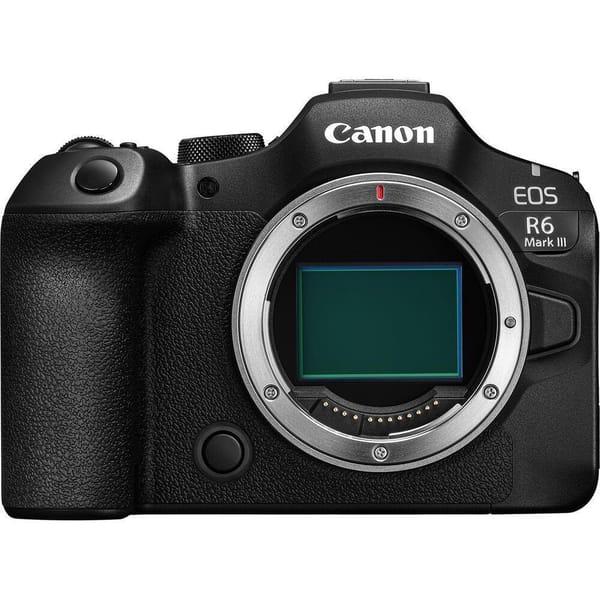
1. Canon EOS R6 Mark III
The Canon EOS R6 Mark III feels like a camera that doesn’t get in the way during macro shooting. It doesn’t force constant compromises and lets you focus purely on the subject. The full-frame sensor renders fine details beautifully, and the autofocus locks confidently onto the desired point even when depth of field is extremely shallow. This is especially noticeable when shooting plants, textures, or small objects with uneven surfaces.
Separate mention must go to in-body stabilization. In macro work, it plays a far bigger role than most people expect. When shooting handheld or in the field, even tiny shake becomes very visible in the result. Here, stabilization genuinely helps achieve more predictable outcomes. The fully articulated touchscreen is also very useful — shooting from below, the side, or unusual angles becomes significantly easier.
Key highlights
Full-frame sensor with excellent detail
Precise Dual Pixel autofocus system
In-body image stabilization
Convenient fully articulated touchscreen
Flexible RAW workflow
Best for:
Photographers shooting macro in nature and on location
Those who value precise focus control
Shooters who often work handheld without a tripod
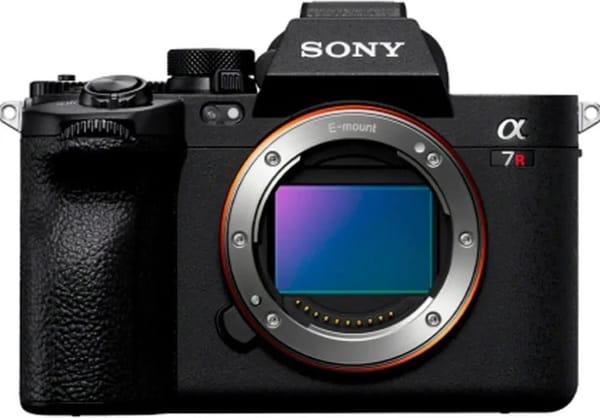
2. Sony Alpha A7R V
The Sony Alpha A7R V immediately shows it’s built for careful, deliberate work in macro. The extremely high-resolution sensor lets you examine the subject pixel-by-pixel, capturing the tiniest details and textures. This is especially convenient for product and still-life photography when maximum information needs to be preserved for later cropping or processing.
That said, the camera demands precision. High resolution means any focus error or tiny movement becomes much more noticeable. Fortunately, in-body stabilization and a high-quality electronic viewfinder help keep everything under control. This camera truly shines in studio macro or tripod-based shooting.
Key highlights:
Very high-resolution sensor
In-body image stabilization
Highly detailed electronic viewfinder
Excellent manual focus control
Plenty of room for cropping
Best for:
Product and studio photographers
Those who do a lot of post-processing
Shooters who prioritize maximum detail
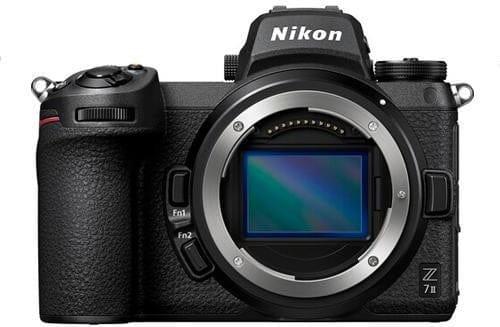
3. Nikon Z 7 II
The Nikon Z 7 II feels calm and predictable in macro work. It doesn’t try to impress with speed, but delivers consistent, understandable results. The high-resolution full-frame sensor renders small elements very well, while colors and tonal transitions look natural without artificial sharpness.
The hybrid autofocus performs reliably, but in macro shooting you often want to switch to manual focus — and the camera handles it comfortably. In-body stabilization helps when shooting handheld, and the tilting screen makes low-angle work easier. It’s a great choice for thoughtful macro photography where precision matters more than speed.
Key highlights
High-resolution full-frame sensor
In-body image stabilization
Comfortable manual focus
Tilting screen for difficult angles
RAW support
Best for:
Those who prefer slow, deliberate shooting
Photographers who usually work with a tripod
Users already in the Nikon Z system
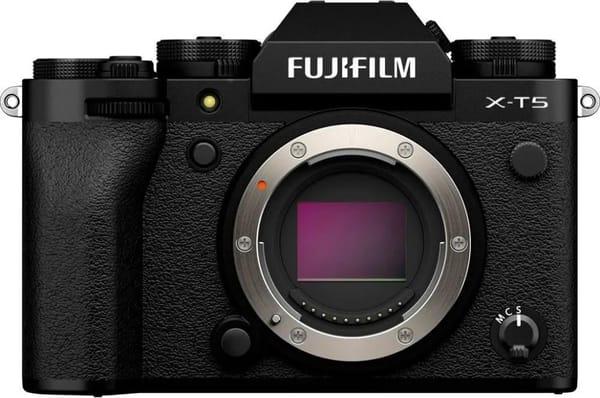
4. Fujifilm X-T5
The Fujifilm X-T5 attracts attention in macro thanks to its combination of compactness and high resolution. The camera isn’t overloaded with features, yet delivers very detailed images for its format. The APS-C sensor strikes a nice balance between detail and depth of field, which can actually make working with small subjects easier at times.
The articulated screen and in-body stabilization make shooting more flexible, especially in the field. The camera is easy to carry, takes up little space, and is well suited for macro during travel or casual walks when you don’t want to haul heavy gear.
Key highlights:
High-resolution APS-C sensor
Built-in image stabilization
Compact and lightweight body
Articulated screen
Good RAW support
Best for:
Travel and outdoor macro shooters
Fans of compact systems
Users of Fujifilm X-mount lenses
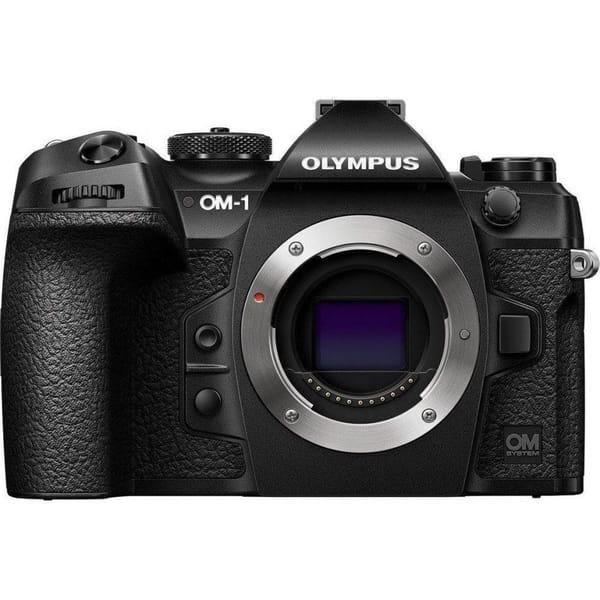
5. OM System OM-1
The OM System OM-1 is frequently chosen for macro for good reason. The Micro 4/3 format provides greater depth of field, which significantly simplifies working with tiny subjects. When photographing insects or other moving details, this becomes a clear advantage. You can get sharp shots much faster without complicated settings.
In-body stabilization is especially effective here and genuinely helps with handheld shooting. The articulated touchscreen simplifies work in awkward positions, while the compact, weather-sealed body makes it practical for active outdoor macro. It’s a solid tool for anyone who shoots macro outside the studio often.
Key highlights:
Micro 4/3 sensor with forgiving depth of field
Highly effective image stabilization
Compact and rugged body
Articulated touchscreen
RAW support
Best for:
Insect and nature macro enthusiasts
Those who frequently shoot handheld
Micro 4/3 system users
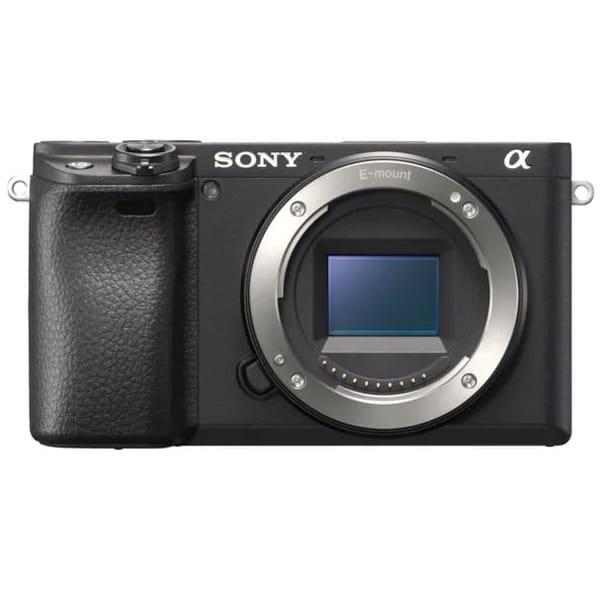
6. Sony Alpha 6400
The Sony Alpha 6400 looks like a practical choice for anyone wanting to try macro without heavy, complex gear. The camera is compact, lightweight, and quite straightforward to use. The APS-C sensor delivers good detail, and the autofocus helps you quickly acquire the subject.
Keep in mind it lacks in-body stabilization. In macro, that means results depend heavily on the lens chosen or use of a tripod. Still, the flip-out screen and small body size make it comfortable for everyday shooting and simple macro subjects.
Key highlights:
24.2 MP APS-C sensor
Fast autofocus
Compact body
Flip-out screen
RAW support
Best for:
Beginners in macro photography
People looking for a lightweight camera
Users of Sony E-mount lenses
Conclusion
Macro photography is a genre where you very quickly discover your real needs. Abstract advice and impressive spec-sheet numbers don’t work here. What matters is how the camera feels in your hands, how easy it is to nail focus, how it reacts to the slightest movement, and whether it helps or hinders in the moment. Sometimes the difference between a great shot and a missed opportunity is simply a convenient screen or reliable stabilization without a tripod.
Each camera in this review has its own personality. Some excel at calm product shooting where you have time to set lights and compose carefully. Others feel more confident in nature, where you need to work quickly and conditions are rarely perfect. The right choice here isn’t about “better” or “worse” — it’s about how well a particular camera matches the way and the places you shoot.
In macro, gear should step into the background. When the camera doesn’t distract you or force constant fights with settings, the most valuable thing appears — attention to detail. That’s exactly why people shoot macro: to notice what usually gets overlooked and to look at the world just a little closer than usual.